
Inevitably, while sitting at my computer trying to write, e-mail notifications distract me. 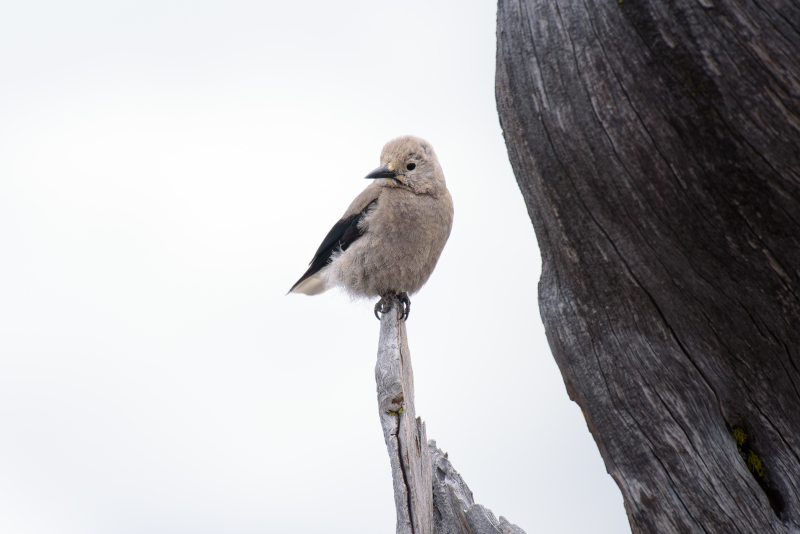
“Let me just respond to these few,” I think, because, of course, they’re important. Behind me, the phone rings every few minutes, some calls I take, some I let go to voice mail, certain to store them in my mental “things to be concerned about” file.
Today, a new bounty of mail sits on my desk, added to the pile from the past week or so that is screaming to be opened. As I answer the phone, a letter from the tax attorney catches my eye and I decide it’s best to take a peak. After a minute of reading and sighs, I realize there is no longer any sound on the other end of the line. My caller has been waiting for more than a few seconds for me to respond to her question, which I never heard because I was distracted; a case of being so busy nothing gets done.
And my writing? Now I need to reboot the entire process because in multitasking I lost valuable time and energy on my most important project. Besides, it will have to wait until I return from the supermarket and finish cleaning the house because my grandchildren will be here bright and early tomorrow morning. And then there’s that on-line class I’m facilitating tonight.
Suddenly I am thinking of Dr. Seuss and The 500 Hats of Bartholomew Cubbins.
Bartholomew is young boy who wears a plain red hat and lives in a hut on the edge of a cranberry bog. His family lives in the Kingdom of Didd. When mighty King Derwin comes to town and expects all the townspeople to take off their hats as a sign of respect, Bartholomew runs into a problem. Every time he removes his hat a new one appears on his head. Will he ever be hatless?
It’s a question to which many of us can relate, including the 16th century Spanish mystic Teresa of Avila who I am happy to have as my patron saint. Now here was a multitasker and wearer of many hats.
Teresa’s childhood desire was to follow in the footsteps of the martyrs, but fortunately her life unfolded according to God’s plan. She became a mystic, a writer, a poet, a bold religious reformer and businesswomen, and the foundress of the Discalced Carmelite order. She continually had to dodge the inquisition as she strove to do God’s work, frequently wore the hat of a politician to get what was needed for her order, her nuns and priests, and eventually became the first woman to be declared a doctor of the Church.
Though she originally desired only to establish a monastery for contemplative prayer, this passionate saint with a keen sense of humor eventually traveled thousands of miles of poor roads across Spain and Portugal by curtained carriage or mule carts, to found 17 monasteries for nuns, and with St. John of the Cross, two for friars. She also composed a body of mystical literature that continues to inspire and strengthen the faithful worldwide.
As a tireless fighter for her faith and her God, her life was a whirlwind of responsibilities, and while the rule in her Carmelite monasteries was one of discipline, intense prayer and work, in solitude and community, she wisely recognized that such effort needed to be balanced by recreation.
St. Teresa was so convinced of the value of rest and enjoyment she wrote it into her rule, requiring her nuns to take two recreation breaks a day. Joy was a hallmark for her, and she lived that joy, often singing and dancing for convent occasions and sharing her talents with the castanets, drums and tambourine, In fact, the image of St. Teresa with a tambourine was written into a beautiful icon by Franciscan Brother Robert Lentz, and is a wonderful tool for meditation.
In her spiritual memoirs, St. Teresa offers some invaluable advice to those of us who sometimes struggle with many hats and many tasks, while our spiritual lives, and our joy, flounder in our busyness: “I am amazed by how much can be accomplished on this path by being bold and striving for great things. Even if a soul is not quite strong enough yet, she can still lift off and take flight. She can soar to great heights. But like a fledgling bird, she may tire herself out and need to perch for a while."
 God Talk and Tea
Leave a comment